

At Yokohama TWS, sustainability is embedded in the way we operate, innovate, and collaborate, supported by clearly defined actions, governance structures, and monitoring processes.
Our approach is driven by initiatives aimed at enhancing the environmental performances of our operations, advancing product innovation, and supporting our people and the communities in which we operate.
Through these initiatives, we work across our organization and in partnership with customers and suppliers to implement defined actions and responsible practices. The sections below describe our main areas of action and the related activities and performance indicators.

Our Planet
We implement initiatives aimed at reducing the environmental impact of our operations and supply chain.
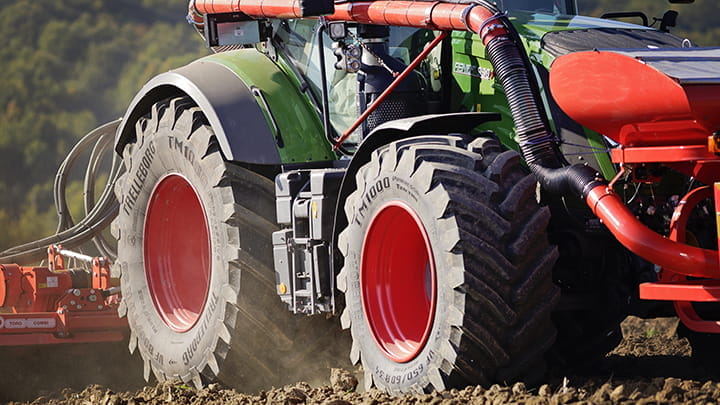
Our Product

Our People
Our People First culture is built on ethics, inclusion and mutual respect, fostering an environment where individuals and partners can contribute responsibly.

Our Community
We support our communities through employee volunteering and initiatives tailored to local needs.
2028 targets
-
 CO₂–36% CO₂ emissions vs 2020 baselineScope 1 and 2 emissions per kg of finished product, calculated using location‑based electricity and fuel‑specific emission factors.
 -
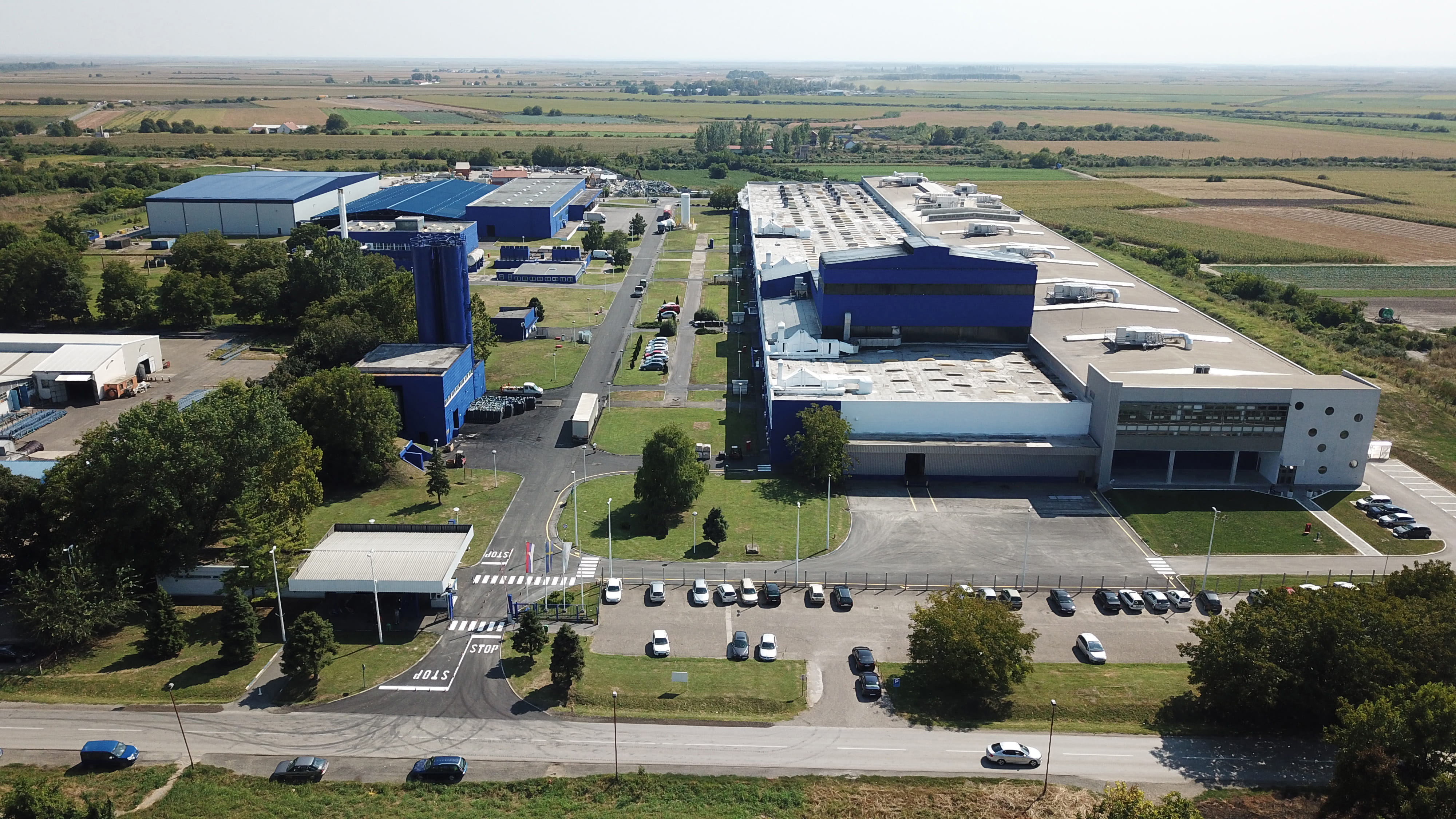 VOC–45% VOC emissions vs 2020 baselineVOC emissions per ton of finished product, based on the VOC content of chemicals used (MSDS data).
 -
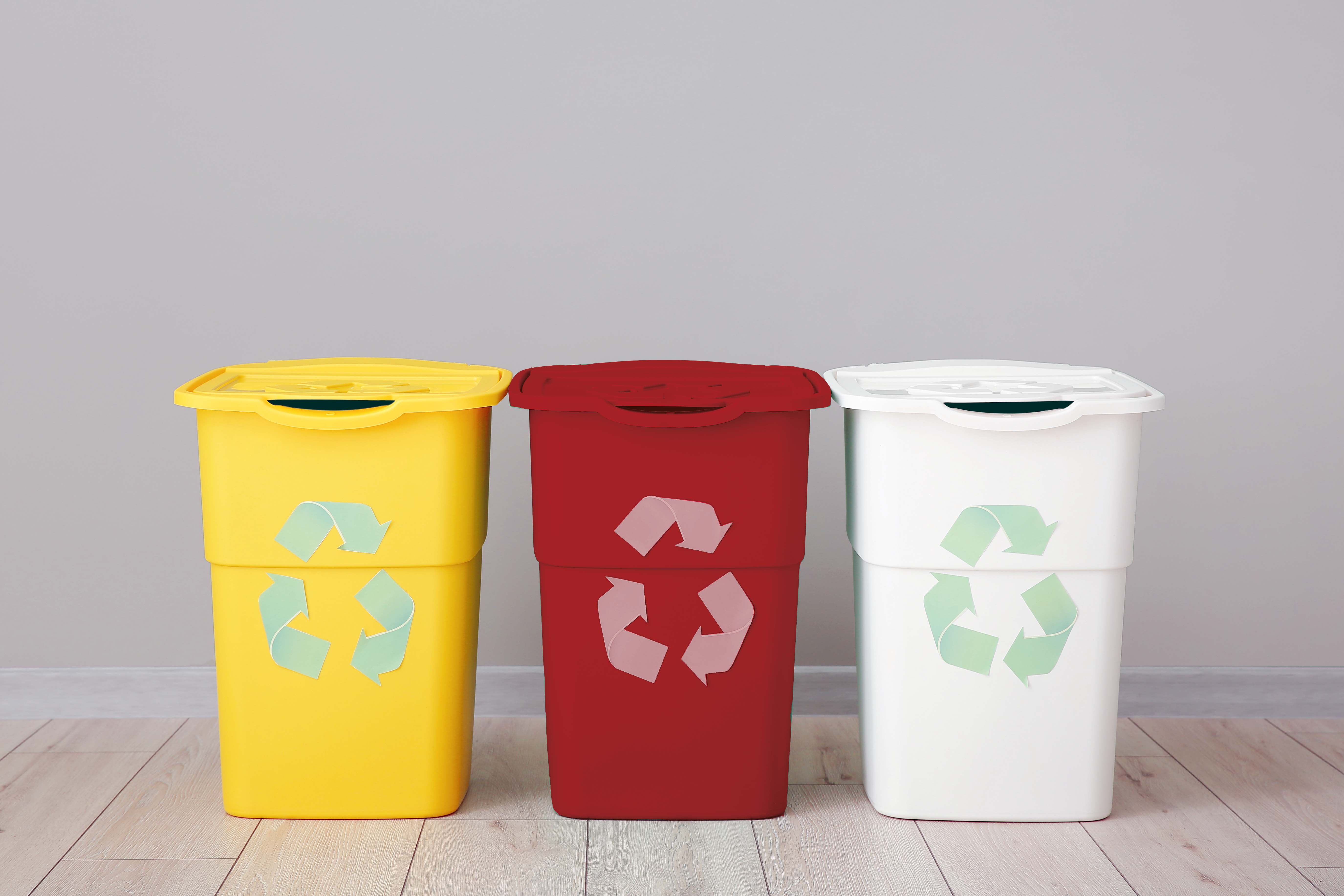 Waste–27% total waste vs 2020 baselineIncludes hazardous and non‑hazardous waste streams, normalized per finished product.
 -
 Water–25% water consumption vs 2020 baselineWater used in production (m³ per ton of finished product), measured across all operating sites.
 -
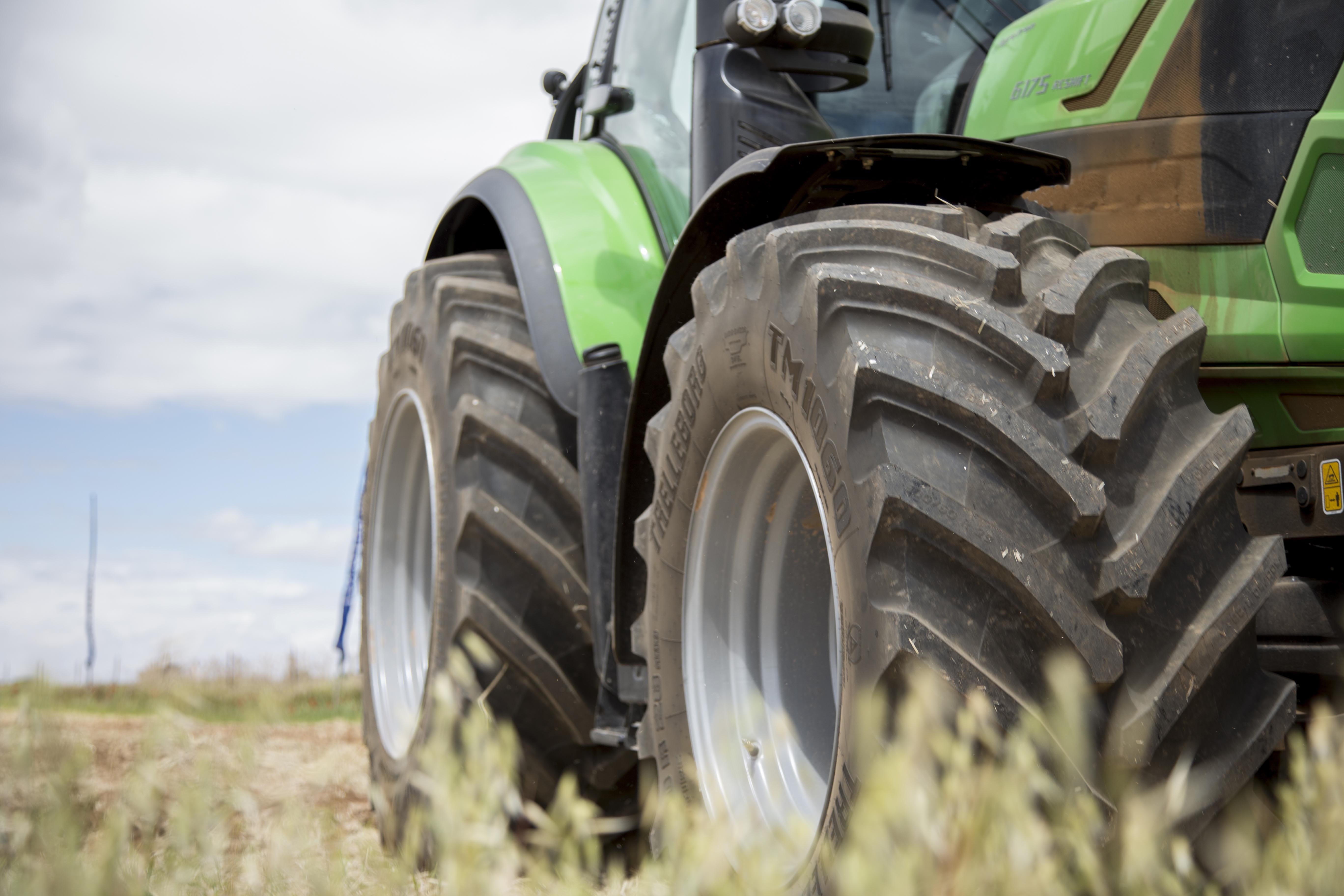 Sustainable materials39% sustainable materials in our tiresShare of recycled and bio‑based materials over total tire weight. Figures may vary by product line.
 -
 PeopleZero accident ambitionSafety performance monitored through LWC, LTIFR and LTISR indicators under the Safety@Work program.
 -
 Volunteering PeopleUp to 43% employee participationEmployees engaged in company-supported volunteering activities during the reporting year.
 -
 Social EngagementUp to 135 initiatives worldwideSocial initiatives delivered globally during the reporting year, including community, environmental and educational programs.
Sustainability contacts

Maciej Wojtaszak
Continuous Improvement & Sustainability Director
Yokohama TWS